
A free te reo Māori course for adults in Rotorua turns 40 in November, and is calling former students home to celebrate.
Organisers estimate up to 8000 students have attended the immersion course.
The celebration is capped at 500 people. There are 62 students currently enrolled.
He Kāinga Mō Te Reo is believed to be the only fulltime, free te reo Māori immersion programme of its kind.
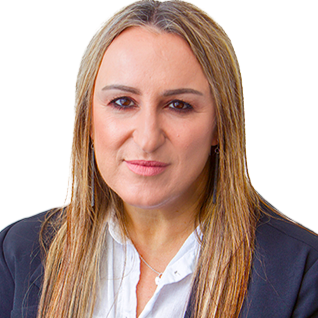
Te reo teacher Tutu Kautai, who has taught at the kura for 30 years, said He Kāinga Mō Te Reo was special because it was accessible.
A year of fulltime tertiary study for a reo immersion can cost up to $8500 in university fees, she said.
After three weeks, English is no longer allowed on the course.
She said this helped tauira (students) problem-solve and communicate in the reo, even if they did not have many kupu (words).
“This enables learners to be speaking within months, not years.
“You can come here without any reo at all; it doesn’t matter what iwi you are from, or whether you are Māori or not, our doors are open to anyone who has a desire to learn.”
The Ministry of Education funds the course via Te Kura Kaupapa Māori o Ruamatā, which registers students as adult learners.
“We want people speaking te reo Māori, so we make it as easy as we can,” she said.
He Kāinga Mō Te Reo is iwi-based with three levels, including one for beginners.
Kautai said interest in te reo had grown.
The national goal is for one million New Zealanders to be able and confident to speak at least basic te reo by 2040. However, the 2023 Census recorded 213,849 people — 4.3% of the population — as speakers of te reo Māori.
Kautai said the kura continued to thrive even as the political environment around te reo Māori and Te Tiriti became increasingly contested.
“He Kāinga Mō Te Reo is about getting people speaking – not sitting behind a desk learning how to write the language.”
Instead of writing or using lots of textbooks, kaiako use the Te Ataarangi method, which involves small coloured maths rods laid on the table to represent objects and ideas.
Kautai said students could build spoken sentences they could see, hear and physically understand rather than copying them from a whiteboard or book.
“Tauira pick it up the way a child learns their first language – by hearing it, saying it, trying it and being okay with ngā hapa [errors].
“We welcome mistakes; they are met not with criticism, but with aroha, patience, encouragement, smiles and plenty of laughs.”
The 40th anniversary will honour generations of kaiako (teachers) and tauira who built the kaupapa, celebrate four decades of language revitalisation and look towards the next 40 years.
Kautai said they wanted to open more courses in Waiariki and eventually move nationwide.
What is Te Ataarangi?
Dame Kāterina Te Heikōkō Mataira and Ngoi Pēwhairangi founded Te Ataarangi in the late 1970s. They adapted the “Silent Way” language-teaching approach developed by educator Caleb Gattegno for te reo Māori and Māori learners.
Its distinctive rākau method uses coloured rods and spoken interaction to teach language without relying on translation or written instruction.
Te Ataarangi emerged at a critical time for te reo Māori, alongside movements including kōhanga reo and kura kaupapa Māori, as Māori communities responded to generations of language loss and suppression within the education system.
Registration
The 40th anniversary will be held from November 13 to 15 at Toi Ohomai in Rotorua.
The weekend’s kaupapa is hākinakina and ngahau (sport and entertainment), with activities planned for kaumātua, pakeke and tamariki.
Registrations close on October 11 and can be made by emailing waiariki@teataarangi.org.nz.
Kelly Makiha is a senior journalist who has reported for the Rotorua Daily Post for 30 years, covering mainly police, court, human interest and social issues.