Act leader David Seymour would work with Opportunity if it kept Labour out
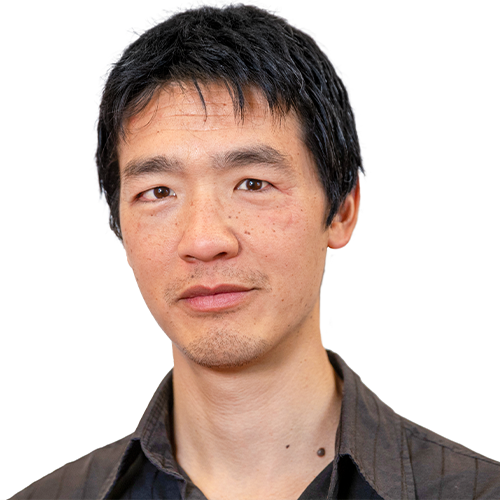

Act leader David Seymour has indicated he would rather be in power with Opportunity than sit on Opposition benches watching a Labour-led Government.
He made the comments after being asked about Opportunity at a public meeting in Wānaka today.
It comes after National leader Christopher Luxon has repeatedly ruled out working with Opportunity, though its leader Qiulae Wong has said she would still call him first if National won the most seats and Opportunity made it into Parliament.
Seymour was asked at the meeting how he would work with Opportunity in a right governing bloc “if it came to pass”.
He said if such a bloc was “some four-headed beast rather than [Green co-leaders] Chlöe [Swarbrick] and Marama [Davidson] running the country from the Mongrel Mob headquarters, then that’s probably a good outcome”.
The gang reference follows photos emerging on social media of Green and Te Pāti Māori members posing with members of the Mongrel Mob.
Seymour has previously said he thinks it unlikely Act could work with Opportunity, but he hasn’t ruled it out.
He qualified his response today by saying he thinks Opportunity are unlikely to make it into Parliament, despite most polls having the party above the 5% threshold.
He said its tax reset policy, which includes a land tax to pay for a universal basic income, would “destroy” rural communities, but it’s not one of Opportunity’s bottom lines.
“I take the view their really crazy policies have been taken off the table,” Seymour said.

He was also asked about immigration concerns and how the India free trade deal might contribute to a “less cohesive social fabric as we import different cultures to ours”.
Seymour talked about his party’s policy of ensuring people wanting to be citizens passed a New Zealand values test.
He said the free-trade agreement was a “red herring” for immigration concerns.
“Maybe you don’t like Indian migrants or are concerned about migrants, but that’s not a reason to oppose the India FTA.”
He had said in response to an earlier question that equating the FTA with concerns about immigration had been a “political play” from New Zealand First; deputy leader Shane Jones has been criticised for equating it with a “butter chicken tsunami”.
Seymour told the meeting the number of additional visas from India because of the FTA had increased by 6%.
“Looking back in 20 years’ time, I suspect we’ll be saying, ‘Thank God we have strong trade links with what might be the largest economy in the world’.”
He was also asked about the Waitangi Tribunal, which he said was worth celebrating because it has allowed historical grievances to be settled.
But once those have all been settled, he said it should be wound up, and with NZ First’s support he hoped that could happen if the coalition is re-elected.
He earlier made four pitches to the packed meeting, which was attended by at least 100 people:
- cutting red tape and regulation;
- improving primary care, including enabling pharmacists to hold consults for minor ailments to take pressure off hospitals;
- going harder on crime including adding burglary to Three Strikes;
- and consitutional reforms he framed as “one law for all”.
He addressed the Mongrel Mob photos when he talked about law and order, saying some people in gangs have problems with drugs, poverty and violence.
“Any decent person might want to help them. But gangs are the cause, so instead of solving the problem, they’ve gone and endorsed them,” Seymour said.
“We never give up on the people. But the institution is unacceptable.”
Derek Cheng is a senior journalist who started at the Herald in 2004. He has worked several stints in the press gallery team and is a former deputy political editor.