Main parties face a tricky dynamic holding their top spot amid fragmentation – Editorial
Election results at the weekend in two countries that New Zealand compares itself to should have our politicians taking notice.
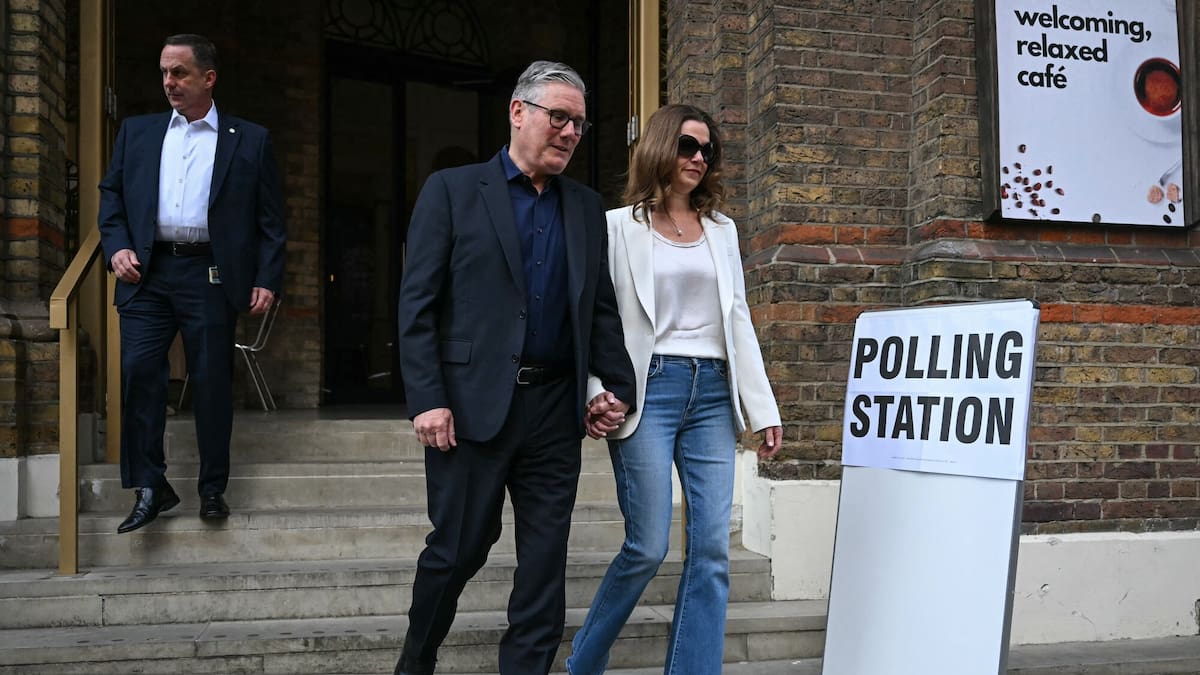
In Britain, Prime Minister Sir Keir Starmer faces an exploratory leadership challenge, after Labour’s thumping in local body elections, losing more than 1490 seats and 38 councils.
Instead of a clash between the old titans, the Conservatives and Labour, it was a fragmented, pocket-sized brawl, as voters sought alternatives to the traditional broad churches.
Voter support was sliced between various parties, including the Liberal Democrats. Labour suffered from advances on both the right (Reform UK) and the left (the Green Party).
The Nigel Farage-led populist Reform received about 25% of the vote, mostly concentrated in working-class and Brexit-supporting areas.
The Greens, Labour, Conservatives and Lib Dems got between 18-16% support in the first-past-the-post system.
In Australia at the weekend, Pauline Hanson’s One Nation picked up its first House of Representatives seat, winning one held by traditional conservatives for 77 years.
Prime Minister Anthony Albanese appears to be doing a better job than Starmer of navigating choppy political and economic waters. The Australian Labor Party is still more popular than its rivals.
And both historical conservative parties in the United Kingdom and Australia are struggling to reassert and reinvent themselves after periods in power.
In the United States, while polls show the Opposition Democrats are benefiting from the Trump Administration’s current unpopularity ahead of the Midterm elections, they also show the Democratic Party has high unfavorability ratings and most voters prefer to identify as independents.
Amid the similarities and differences in these situations to New Zealand’s political landscape in election year, it’s clear our major parties should not be complacent.
There’s no certainty they will retain their places on top of the pile in the longer-term future, with Kiwis having endured years of a difficult financial environment and with big challenges to come on issues such as productivity, costs, jobs, supplies, energy, climate, superannuation, housing and health.
These issues, and coalition-style politics, are fuelling a debate over the idea of a grand coalition between National and Labour.
It’s up to those parties to be sharp and active to stay relevant to voters and to keep bringing ideas and talent through.
Established parties with governing experience straddling the centre can be susceptible to over-cautious, detail-dense, middling, mush politics. It takes a good communicator to maintain rhetorical focus and momentum and bring clarity to complexity.
It’s far easier for smaller parties to define their issues as values and present a populist version of common sense to the electorate.
Proportional representation here and in Australia may be helping each country retain some stability. We are used to thinking in blocs as much as parties.
The Herald’s Poll of Polls, published yesterday, illustrates the tricky dynamic for parties.
The National-led coalition is shown to be the bloc in the best position, but the main party’s support is in decline while New Zealand First’s influence is growing.
And it suggests that the largest individual party – at this stage Labour – needs a bigger bloc.
The aftermath of the election could be more interesting than the campaign itself.