
Hauora Hokianga Trust is looking at ways to inform its community about its strategic plans.
The Māori health provider runs Rawene Hospital and primary health clinics in 10 areas around Hokianga.
It is community-owned and governed, with trustees elected to represent each clinic area, along with iwi representatives.
The organisation came into the spotlight after posting a $2.3 million loss in the year to June 2025, a sharp turnaround from its $2.8m profit in 2023.
It engaged independent accountants BDO to develop a financial plan and hired a contractor to create a five-year strategic plan.
Both reports were discussed in committee at a board meeting on April 28 and were not made public.
Members of the public were also unable to access the full agenda and minutes of this or any past board meetings.
Chief executive Margareth Broodkoorn said the community-owned trust welcomed attendance at board meetings from Hokianga whānau, with summary agendas available at meetings in hard copy.
But as the board meetings often included sensitive information, such as patient-related matters, employment issues and contract negotiations, the full board pack was not available to the public.
“This is not outside of standard practice for a charitable trust,” she said.
There was no obligation for charities to hold open meetings but incorporated societies must hold an annual general meeting, according to New Zealand’s Charities Services.

Broodkoorn said the trust was actively considering ways to share more information while still meeting legal and confidentiality obligations, such as having information on-screen at meetings and providing public summaries of key decisions afterwards.
The board also planned to hold meetings around the Hokianga area rather than just in Rawene, with a meeting on May 26 to be held in Pawarenga.
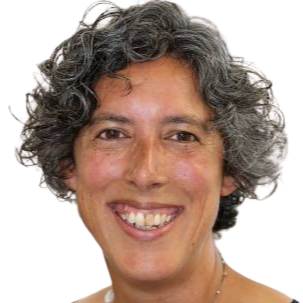
Board chairwoman Pani Hauraki, a former school principal from Kohukohu, said she was new to the role of chair and still getting her head around everything.
Deputy chairman Doug Te Wake was also new in his role and keen to ensure board members understood their obligations.
While Hokianga residents cared deeply about their health services, Hauraki did not expect high attendance at the board meetings.
“I know they trust us, as board representatives, to do what’s best for Hokianga.
“They’re not requesting a lot. They’re requesting to go to the clinics, access the hospital ... and they want to be sure once they get to the hospital, if they’re sick, they’re admitted, not told to go to Kaitāia.”
Broodkoorn said the trust would hold community engagement hui over the next couple of months to share its five-year strategic direction and financial plan.
Denise Piper is a news reporter for the Northern Advocate, focusing on health and business. She has more than 20 years in journalism and is passionate about covering stories that make a difference.