Governor-General Dame Cindy Kiro gets warm welcomes on Far North tour
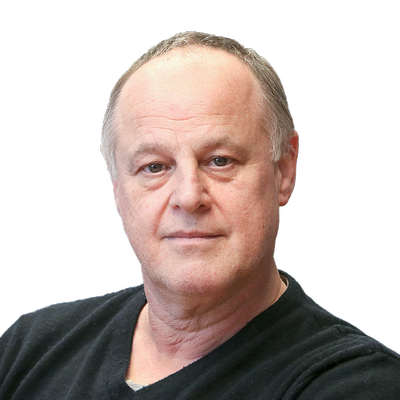

The Far North set the tone - warmth, respect, understanding and manaakitanga as Governor-General Dame Cindy Kiro embarked on a tour of the district last week.
As a child of Tai Tokerau - and the first ever governor-general from the region - Kiro packed in a hectic schedule of events as she endeavoured to cover as much of the rohe as she could.
The tour started in Whangārei on Tuesday with four events, then three more in the city on Wednesday.

On Thursday Whangārei-born Kiro (Ngāpuhi, Ngāti Hine, Ngāti Kahu, Britain) and husband Dr Richard Davies visited the Te Puna Reo o Manga Tangaroa early childhood centre, Peru Packhouse and Te Kohekohe Community Housing Development, all in Kaikohe, and the Whangaroa RSA, in Kāeo, ahead of the RSA building’s centenary in the town.

Then on Friday the party visited Te Ahu Cultural Centre, Far North Community Foodbank and Rakau Ora mental health support hub, all in Kaitāia.

Te Kohekohe Community Housing Development is the Far North’s biggest community housing development, providing 60 homes in an area where accommodation is in short supply. It was the brainchild of Māori health provider Te Hau Ora o Ngāpuhi, while Far North District Council-owned company Far North Holdings secured the consents and managed the project.
Built in three stages on Kaikohe’s former RSA site, it is believed to be the first housing complex in the country built and co-owned by an iwi and a council organisation.
Kiro praised the development for providing much needed accommodation, and wraparound health and social services, saying it was a great example of a community looking after its people and their needs.

‘‘I’m really privileged and honoured to be here today,‘’ she told the gathered crowd, saying she and husband Dr Richard Davies had spent many years trying to help people who did not have a voice.
Kiro said Te Kohekohe Community Housing Development had the same kaupapa and was supporting people who were previously homeless or too poor to survive.
The project exuded manaakitanga (hospitality, kindness, generosity, and care for others, emphasising respect, support, and a sense of community and collective responsibility) and aroha for the community and showed what was possible.

‘‘Thank you for building a place where our people who need a home can now stand tall.‘’
The Whangaroa RSA building in Kāeo is being refurbished ahead of its centenary commemorations on Anzac Day.
‘‘Thank you for the very kind invitation here to Whangaroa, in honour of those who served in armed conflict since the dedication of the memorial, 100 years ago. Unfortunately, I’m unable to make it on Anzac Day when the renovations will be complete, but I am delighted to join you today as part of my regional visit to Te Tai Tokerau,‘’ she told the gathered crowd.

‘‘World War I was an immensely significant time in Aotearoa New Zealand’s history. An emerging nation made its presence felt on the world stage. The Anzac spirit was forged on the treacherous shores of Gallipoli. Our people at home mourned the highest percentage of lives lost, in all the forces of the British Empire.‘’
And although our land bore no physical scars of war, communities were forever changed, with over 500 memorials built to commemorate the honoured dead, Kiro said.

‘‘This small community of Whangaroa lost 32 men to the war. The town rallied together, fundraising to build a memorial that not only honoured the immense sacrifice of its sons, but one that would also better the lives of those who remained, becoming a place to gather, a place to learn, and a place of joy.
‘‘One of my predecessors, Sir Charles Fergusson, had the privilege of officially opening the Kāeo Soldiers’ Memorial Library, almost 100 years ago to the day. He was, himself, a veteran of WWI, so will have done so with the utmost appreciation and reverence for what the library represented.

‘‘And now I have the honour to return where he once stood, in the same capacity as governor-general, to commemorate the centenary of the Whangaroa RSA, and to remember those from this community who gave their lives fighting in the First World War, and subsequent conflicts around the globe.‘’
She said the love and care that continues to be given to the Whangaroa RSA is a remarkable legacy that continues to be upheld.

‘‘I understand that of the few utilitarian First World War memorials that were built, the Whangaroa RSA is one of only two left in the country. Its construction was clearly done to the very highest standard, ensuring it would always remain a place of remembrance for the people of Whangaroa.‘’
Kiro said it was an honour to be a part of this RSA’s story, particularly with her personal ties to the area.


