
What is an election if not a job interview with an enormous panel? Rotorua Daily Post senior reporter Kelly Makiha sat down with local candidates to see how well they pitched themselves and their parties for the role of representing our community in Parliament.
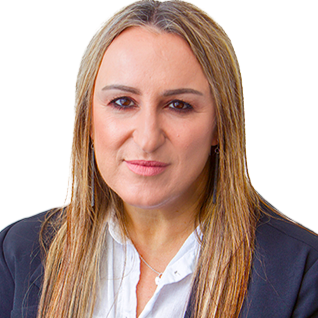
Labour’s Waiariki candidate Toni Boyton is a mother of four sons, lives in Whakatāne and is a second-term Māori ward councillor with the Whakatāne District Council. This is her second time standing in the Waiariki electorate.
Why do you want this job and why should we pick you?
I want to ensure that our mokopuna and our tamariki have a voice and leadership that reflects them and the decisions made about them are made with them in mind. They must have a strong representative in Parliament to be able to voice their issues but also the issues of who they are and where they are from.
What motivates you every day to go to work?
My tamariki, always.
What is your main strength?
My heart... I speak from the heart and I work from the heart. I have a heart for our people and that’s what drives me to ensure we pursue the needs of what matters most to our people.
What would be your one weakness?
Sometimes it would be my heart ... But the inability sometimes to say no. As busy māmās, you are on boards of trustees of different things and organisations and you feel like you really want to serve and at times you have to learn to say no to some things so that we can focus on what really matters at the time.
What would be your greatest professional achievement?
Being selected for the Atlantic Fellows with Melbourne University and Oxford University in terms of academia, especially as a solo mum 15 years ago living off just $40 a week with my four boys. I took the training and incentive allowance to put me on a pathway to education and graduated with my bachelor’s, and then went on with that, but I also became a strong advocate for Māori representation in local government.
What was a time you failed and how you handled it?
At the time, failure seems all-consuming, but really it is just a step in preparing you for the next part of the journey. When we lost our first referendum for Māori wards. Because it meant so much to so many people and because of the attacks and the racism we received just to pursue our voice, it was really hard to take. But when we look back at it, we look at what it has provided us. We went from having three Māori ward councils to 43. So it made us stronger and we worked even harder.
How do you manage stress?
When I do get the time, it would be going back to our marae. I am the great-great-granddaughter of Rua Kēnana, the prophet from Maungapōhatu, and our marae, Tuapō, is where his house and his tomb are. So our hapū there are more like kaitiaki for him and his faith. Going back there to our awa, which is just behind our marae, and going back to speak to our koroua and knowing that he will always provide us with guidance and support.
Where do you see yourself and this electorate in five years?
I would really love to see it pumping. I would love our rangatahi to have employment and apprenticeships, and I would love to see that we have been repairing schools, and those contracts have helped our small businesses in the area and repairing hospitals. Also, the building of whare, also the support for our health providers throughout the rohe and the funding for them to support those wraparound services, particularly for our whānau who are homeless at the moment. I would love to see our community thriving with housing, with business, with the local economy growing, that local councils are supported ... and our relationships with iwi and wider communities are stronger than ever.
What one policy would Labour implement in the first 100 days to benefit this electorate?
There are a lot of things ... A lot of our whānau are employed by social and health services and a lot of them are care workers. The increase of $4 an hour for many of our healthcare workers would directly improve the lives of our whānau because many of them are our wāhine and our māmās who care for our elderly, who care for our babies and our māmās are the most vulnerable, so I think that in itself is going to make a huge direct impact.
You’re stranded on a desert island and you can take one luxury or non-essential item, what would that be?
A photo of my boys.
- Editor’s note: Some answers were edited for length.
Te Pāti Māori candidate and current Waiariki MP Rawiri Waititi, Green candidate Tania Waikato and The Opportunity Party candidate Pāpā Wharewera were also approached to take part. Further interviews in this series can be found at nzherald.co.nz/rotorua-daily-post/topic/election-2026.
Kelly Makiha is a senior journalist who has reported for the Rotorua Daily Post for more than 30 years, covering mainly police, court, human interest and social issues.