Chip seal v asphalt: Innovation is key for happier communities – Editorial
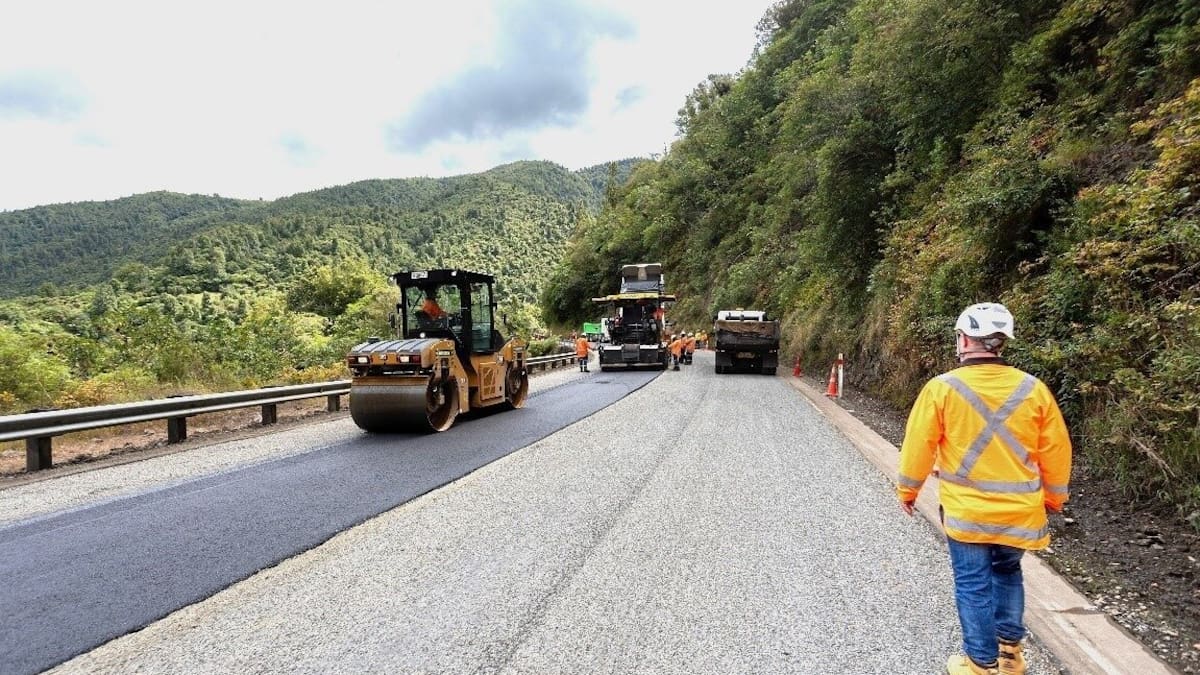
THE FACTS
- Chip seal is cost-effective but causes noise issues.
- Tauranga is trialling new surfacing treatments resembling asphalt, aiming for wider use if the treatments are successful.
- Asphalt is more durable and comfortable but costs five times more than chip seal.
It’s hard to argue for a more expensive method of resurfacing roads while doctors, nurses, firefighters and teachers cry out for more pay and recognition.
However, chip seal, the method of resurfacing roads preferred by most councils because of its cost-effectiveness and simple application, is causing some ratepayers real grief.
Pāpāmoa neighbours Jan Neale and Mariette Coetzee say they are forced to shout inside their homes and dare not sit outside because of the road racket.
“The noise is unbearable, especially when the trucks come through. I have to close my doors, and you can still hear the traffic,” Coetzee told NZME.
Neale recorded the road noise at 87 decibels outside his house on Papamoa Beach Rd. On a nearby stretch of road where asphalt was used, the level was 20 decibels.
However, there may be some hope for Neale and Coetzee, and others.
In Tauranga, city roading contract manager Garry Oakes says new surfacing treatments that look like asphalt but are cheaper are being trialled.
“We’re monitoring the life and performance of these new products over time and in different roading environments in the hope that we will be able to use the star performers more widely in the future.”
Asphalt lasts longer, looks nicer, is stronger, causes less wear and tear to tyres, and provides a more comfortable ride.
But it costs more – five times more, in fact.
It also has a more complicated method of application and takes a lot of heat and energy to manufacture.
Last financial year, $25.7 million was spent in the Bay of Plenty region on renewing road surfaces. In Waikato, it was $36.1m.
More than half of this came from NZ Transport Agency (NZTA) – $14.4m in Bay of Plenty and $19.6m in Waikato.
For NZTA to co-fund resurfacing of local roads in asphalt, councils must show NZTA that asphalt is worth the investment.
Tauranga Mayor Mahé Drysdale says what people want doesn’t match up to what the transport agency is willing to co-fund.
Councils all over the country are facing growing pressure over ageing infrastructure, such as roads, while trying to deliver value for ratepayers and keep the rates down.
While chip seal saves money upfront, the trade-offs – such as noise, discomfort, and safety concerns – suggest it’s time to rethink whether cost should be the only driver in road surface decisions.
Councils’ financial prudence is important, but lived experience does matter and should be considered.
Innovation in road surfacing could offer a middle ground if councils and NZTA are willing to invest in smarter, more community-friendly solutions.